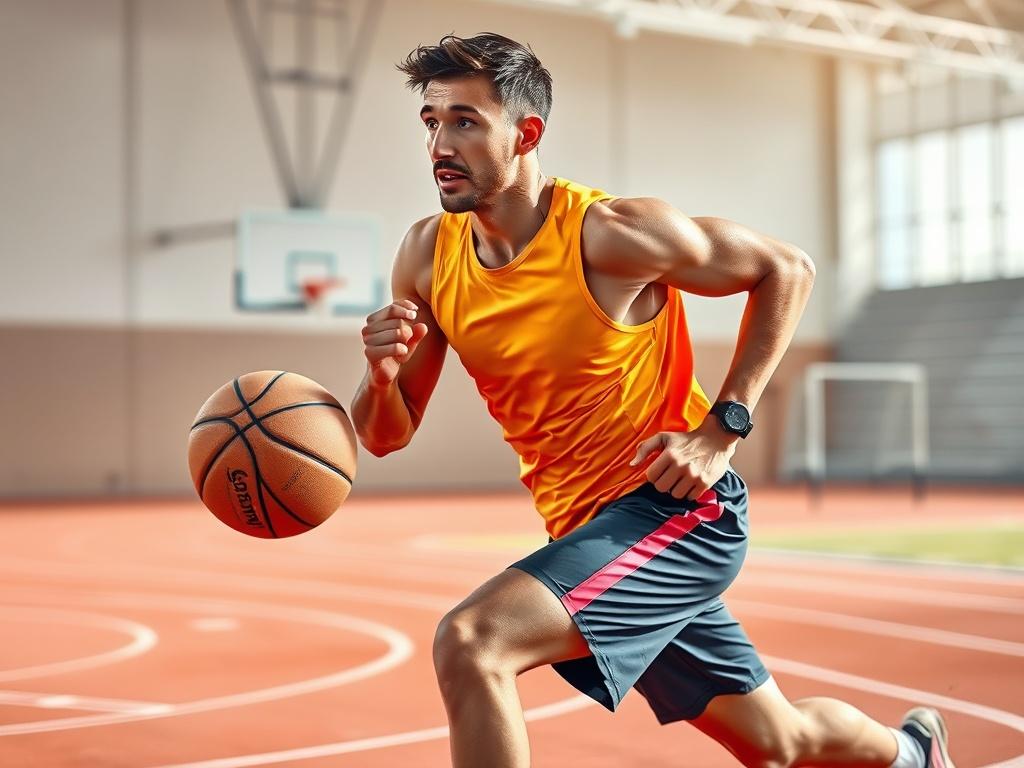
As athletes transition into their twenties and beyond, the game evolves, presenting new challenges and opportunities for growth. Maximizing your potential in sports after 21 requires a strategic approach that leverages not only physical prowess but also mental acuity and social connections. In this blog post, we will explore essential strategies for thriving in sports after 21, providing practical tips that can elevate your performance on and off the field.
Whether you're a seasoned competitor or just beginning to find your footing in adult athletics, understanding the importance of physical conditioning, mental resilience, and a strong support network is crucial. These foundational elements can help you navigate the complexities of sports in this new phase of life. Join us as we delve into these vital aspects and equip you with the tools to maximize your game and achieve your personal best.
Understanding the importance of physical conditioning in your 21+ journey
As an athlete over 21, prioritizing physical conditioning becomes essential for maintaining peak performance. Your body undergoes various changes as you age, and your training regimen should adapt accordingly. Incorporating strength training, flexibility exercises, and cardiovascular workouts into your routine not only helps to prevent injuries but also enhances your overall athletic capabilities. Focus on developing a balanced program that targets specific muscle groups and allows for adequate recovery time. This approach will ensure that your body remains resilient and ready to face the challenges of competitive sports.
Moreover, staying informed about nutrition plays a pivotal role in maximizing your game. Fueling your body with the right nutrients can significantly impact your energy levels and recovery times. As you progress in your athletic career, consider collaborating with a sports nutritionist who can tailor meal plans to your individual needs and goals. Keeping track of your physical conditioning, along with regular assessments of your performance metrics, will equip you with the insights necessary to make informed adjustments. By embracing these strategies, you set a solid foundation for thriving in sports well into your 21+ journey.
Essential mental game tactics to elevate your athletic performance
Mental toughness plays a crucial role in an athlete's success, especially for those competing after the age of 21. To enhance your performance, adopt visualization techniques that can help you mentally rehearse your skills. Picture yourself executing plays flawlessly, feeling the rush of adrenaline as you achieve your goals. This mental imagery not only boosts your confidence but also helps to solidify muscle memory. Additionally, practice mindfulness and meditation to cultivate focus and reduce anxiety during high-pressure situations. Implementing these techniques can help you maintain composure and clarity, giving you a competitive edge in your sport.
Furthermore, developing a strong routine will reinforce your mental approach to competition. A consistent pre-game ritual can serve as a calming mechanism that prepares you psychologically for the challenge ahead. Incorporate elements that center you, such as a specific warm-up routine, listening to motivational music, or engaging in positive self-talk. These tactics can help reduce performance anxiety and foster a winning mindset. Emphasize the importance of maintaining a high level of self-discipline and resilience, as this can make a significant difference when the stakes are high. By prioritizing your mental game, you ensure that your physical skills shine through, ultimately leading to greater success in your sporting endeavors.
Building a supportive network: Key relationships that enhance your sports success
Establishing a supportive network is crucial for any athlete over the age of 21. Surround yourself with coaches, mentors, fellow athletes, and friends who inspire and motivate you. These relationships can provide valuable insights, encouragement, and advice that can propel your performance on and off the field. For instance, a mentor can offer personalized strategies to tackle the challenges you face as you transition into a more competitive phase of your athletic career. Engaging with supportive peers in your sport can also help you remain focused and committed, creating an environment that fosters growth and resilience.
Additionally, leveraging social media and local sports communities can expand your network and open doors to new opportunities. By engaging with others who share your passion, you enhance your perspective on training methods, recovery techniques, and competition strategies. Collaborative training sessions can not only break the monotony of solo workouts but also introduce fresh ideas that can boost your progress. Remember, building a strong support system is not just about receiving help; it’s also about offering support to others in your network, creating a mutually beneficial relationship that enhances everyone's performance and success in their respective sports journeys.